Glamping photos always look dreamy until you check the price tag for a July weekend. A tent with a real bed and a wood stove can cost more than a hotel room in high summer, which leaves many travelers wondering when the cheapest time to go glamping actually is. The good news: the same tent that runs $200-500 a night in peak season often drops to $100-250 off-peak, so timing matters more than you might think.
This guide breaks down exactly how those prices move through the year. We’ll look at why the shoulder seasons of May and September-October tend to offer the best mix of low rates and mild weather, how winter stays can cut costs by 40-60% (with a few catches), and why a Monday night beats a Saturday almost every time. You’ll also find advice on how far ahead to book, which dates quietly push prices up, and how to pinpoint your own cheapest glamping window.
How Glamping Prices Change Through the Year
Glamping prices follow a predictable seasonal curve, and once you understand it, you can plan around it. The single biggest driver is demand: summer, when families travel and the weather is most reliable, is when operators charge the most.
Peak season: June through August
Across most of the US and Europe, June through August is peak glamping season. Nightly rates during these months typically run 30-50% higher than off-peak prices. A safari-style tent that costs $100-250 per night in quieter months can easily climb to $200-500 in high summer, especially at family-oriented sites.
Peak season isn’t just about higher rates, either. Availability shrinks fast, minimum-stay requirements become common, and the best units sell out first. If you have to travel in summer, expect to pay a premium for the privilege.
The shoulder months: May and September-October
The sweet spot for price versus weather sits on either side of summer. May, September, and October typically offer the lowest prices while still delivering mild, pleasant conditions in most regions. Sites are quieter, staff have more time to help, and you get the same canvas-and-stars experience for noticeably less money.
These months are also when operators are most flexible. You’ll often find better unit selection and a more relaxed booking process than you would fighting for a July weekend.
Winter, from November through February, brings the deepest cuts of all, with rates dropping 40-60% at sites that stay open. The catch is that many glamping operations simply close for the season or scale back facilities, so cold-weather trips require a bit more research before you book. We cover what to check in the winter section below.
Why Shoulder Season Is the Cheapest Time to Go Glamping
If you want the best deal without sacrificing comfort, aim for the edges of the season. May and late September through October sit outside the summer rush, so sites drop their rates while the weather stays pleasant in most regions. Nights can be cool, but days are often ideal for hiking, stargazing from your tent, or simply relaxing by the fire without crowds around you.
The savings are real. Mid-range glamping tents that command $200-500 per night in high summer commonly fall to $100-250 per night in the shoulder months. On a three-night stay, that difference can easily cover a nice dinner out or a full tank of gas for the drive home.
The foliage bonus in fall
Late September and October bring an extra perk in mountain and forest regions: fall color. A safari tent or cabin surrounded by red and gold maples delivers scenery that summer simply can’t match, and you’re paying off-peak prices to see it. New England, the Great Smoky Mountains, and parts of the Rockies are classic examples where the view peaks just as rates dip.
One caution: foliage weekends can be popular in their own right, so rates in leaf-peeping hotspots may climb on peak-color weekends. If your dates are flexible, aim for early in the color window or midweek to keep the lowest prices.
May works similarly in reverse. Wildflowers, fresh green hillsides, and fewer bugs make it a favorite for anyone who wants the outdoors without summer heat or summer pricing. Just steer clear of holiday weekends, which tend to price like peak season regardless of the calendar.
Winter Glamping: The Deepest Discounts
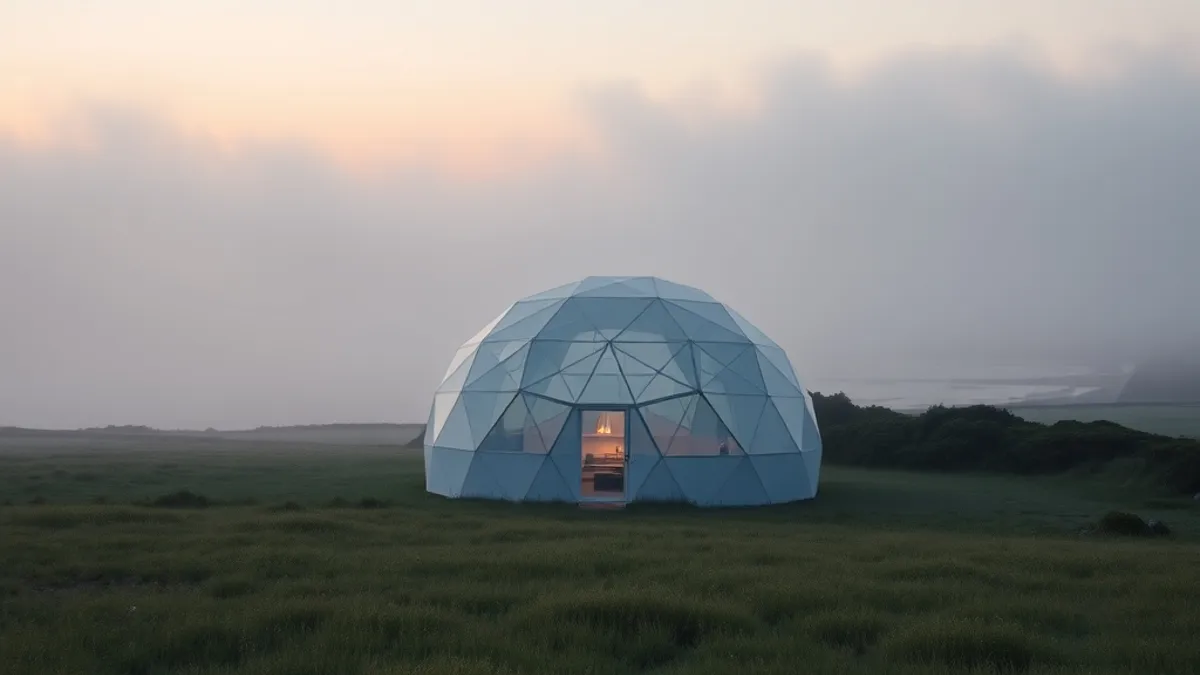
Winter is when glamping operators get desperate for bookings, and the discounts show it. Stays between November and February can run 40-60% cheaper than the same tent or cabin in summer. A dome that commands a premium rate in July might cost a fraction of that on a January weeknight, especially midweek.
That said, the cheapest winter rate is only a bargain if the site is actually set up for cold weather. Before you book, ask the operator directly whether the unit has real heating, whether the dome or cabin is insulated for freezing nights, and which on-site facilities stay open. Some sites reduce their operations in winter, so bathrooms, kitchens, or communal areas may be limited or closed entirely. A few honest questions up front can save you from a freezing, disappointing stay.
Where winter glamping is actually worth it
The best winter value comes from sites built for the cold. Look for accommodations with a wood-burning fireplace or stove, a private hot tub, or both. Soaking in warm water while snow falls outside your tent is a genuinely memorable experience, and at low-season prices it often costs less than a mediocre hotel room. Mountain regions, forest cabins, and northern destinations tend to have these cold-weather setups, since they cater to guests year-round.
If you don’t mind bundling up and packing proper layers, winter can be the smartest time to try a high-end unit you couldn’t otherwise afford. Just confirm the heating situation first, and check the operator’s current winter policies before you commit.
Weekdays vs Weekends: Timing Your Stay Within the Week
If you can only control one thing about your glamping trip, control the day of the week. Most operators price Friday and Saturday nights as their premium nights, while Monday through Thursday often costs 20-40% less for the exact same tent, dome, or cabin. That difference alone can turn a splurge into a reasonable stay.
The real magic happens with a longer midweek stretch. A Sunday-to-Thursday stay gives you four or five nights, and because most of those nights fall on discounted weekdays, the total often costs less than a two-night weekend. You also get the site at its quietest: no check-in lines, no noise from neighboring groups, and first pick of the fire pit, hot tub, or trails.
- Midweek stays are usually easier to book short-notice, since many sites enforce two-night minimums on weekends only while accepting single-night bookings Monday through Thursday.
- Popular add-ons like private hot tubs, guided activities, and on-site dining are typically easier to reserve midweek, when demand is lower.
- If you work remotely, a Sunday-to-Wednesday stay lets you camp on weeknight rates and still keep normal working hours, since most sites offer decent cell coverage or Wi-Fi.
- Check-out days tend to fall on Sunday or Monday mornings, so arriving midweek often means your tent was just cleaned and reset.
One caution: a few high-demand sites apply minimum stays across the whole week in peak summer. If your dates are fixed to July or August, confirm the booking rules before you plan a one-night midweek escape.
How Far Ahead to Book for the Best Rate
Glamping sites are small businesses with a handful of units, so availability disappears faster than it does at large hotels. A site with six tents can sell out a summer Saturday months in advance, and once it’s gone there’s no neighboring wing to shuffle you into. That scarcity works both ways: it punishes late bookers in peak season, but it also gives you real leverage when a tent sits empty close to the date. Timing your booking matters just as much as timing your stay, and the two don’t always follow the same logic.
- For shoulder-season trips in May or September-October, book 2-4 months ahead. This is usually the window when operators open early-bird pricing, and you’ll often see the lowest rates of the year for those dates.
- For summer weekends, plan 6+ months out. Peak-season Friday and Saturday nights are the most contested dates on any calendar, and they rarely see last-minute discounts because someone will eventually pay full price.
- Sign up for operator newsletters in late winter. Many sites run off-season flash sales between January and March, discounting spring availability to fill the calendar before the season starts.
- Set a price alert or simply recheck rates a week before booking. If a midweek date in shoulder season is still open 2-3 weeks out, some operators quietly drop the price rather than leave the tent empty.
- Confirm the cancellation policy before paying. A flexible rate is worth a few extra dollars if your trip depends on weather, especially in the shoulder months.
It also pays to book directly with the site when you can. Small glamping operations often keep a few perks off the booking platforms: a slightly better rate, a free late checkout, or first pick of the best-sited tent. A quick phone call or email can also settle practical questions that listing pages gloss over, like how private a shared fire pit really is or whether the site has reliable shade in summer. Direct communication builds a little goodwill too, which occasionally translates into a discount on a future stay.
The short version: early booking protects peak-season plans, while a bit of patience and flexibility pays off in the shoulder months and winter. Match your lead time to the season you’re targeting, keep an eye on rates in the final weeks if your dates are movable, and you’ll rarely overpay for a night under canvas.
Dates and Events That Quietly Raise Prices
You can pick the cheapest month on the calendar and still get charged peak-season rates. Certain dates and local events quietly push prices up, even in months that are normally inexpensive. Operators know when demand spikes, and their pricing follows it. Knowing what to look for before you commit to dates helps you avoid paying a premium by accident.
Holiday weekends are the biggest trap. Memorial Day and Labor Day fall in May and September, months that otherwise carry off-peak pricing, but many operators price those long weekends the same as mid-summer. A tent that costs a modest amount on a random Tuesday in May can jump to summer-level pricing for the same weekend. If your travel dates shift by even one day, you can often save noticeably without changing anything else about the trip.
- Local festivals, music events, and town celebrations can inflate rates in otherwise cheap months, especially in small towns where every room and tent in the area sells out; check the regional events calendar before locking in dates.
- Foliage weekends in September and October draw big crowds to mountain and forest regions, so a leaf-peeping Saturday can cost far more than the same date in a flat or coastal area.
- School summer holidays, roughly mid-June to late August, keep family-oriented sites at top pricing the entire time, since parents can only travel when kids are out of school.
- Some sites publish event surcharges or minimum-stay requirements on their booking calendar, so scanning a few weeks of dates often reveals exactly which nights carry the markup.
The fix is simple: stay flexible by a day or two, and always search the surrounding dates before you book. Most booking systems show a small calendar view with nightly prices, which makes the pattern obvious in seconds. Shifting a Friday arrival to a Thursday, skipping one festival weekend, or ending a stay before a holiday Monday often saves more than any promo code. A quick check takes two minutes and can be the difference between an overpriced night and a bargain one.
Finding Your Cheapest Glamping Window
So when is the cheapest time to go glamping? The shoulder months of May and September-October give you the best balance: low-season pricing with weather that’s still pleasant enough to enjoy your surroundings. Mid-range tents that would cost $200-500 a night in high summer typically drop to $100-250 in these windows.
You can stack extra savings on top. Choosing Monday-Thursday nights instead of a weekend often cuts another 20-40% off the rate, and booking 2-4 months ahead usually secures the best shoulder-season price. If you don’t mind colder nights and possibly limited facilities, winter stays between November and February can be 40-60% cheaper than summer. Just steer clear of holiday weekends like Memorial Day and Labor Day, which price like peak season regardless of the calendar. Found a great deal or have a favorite cheap glamping month? Share your tips in the comments.