You want a waterside getaway on a budget, but every listing seems to blur together. Is a fishing lodge or lakeside cabin the better deal for your money? The answer depends less on the view and more on what’s bundled into the rate, how you like to eat, and how much of your trip you want planned for you.
This guide breaks the choice down piece by piece. We’ll look at what a fishing lodge actually includes, what a lakeside cabin gives you instead, and run a straight cost comparison between the two. Then we’ll cover how to time your trip around the fishing season, how far ahead to book each stay type, and how to match the stay to your travel style. By the end, you’ll know exactly which option fits your budget and your plans. Let’s get into it.
What a Fishing Lodge Actually Includes
A fishing lodge is less a place to sleep and more a complete fishing package. Most lodges bundle guided trips, boat use, tackle and fish cleaning into the nightly rate, so you arrive, fish, and leave without worrying about the logistics. If you’ve ever stood in a tackle shop wondering what you actually need for a northern lake, that alone can justify the price. Guided trips booked separately usually run $150-400 per day per person, so having them built in changes the math considerably.
Meals and daily rhythm
At full-service lodges, meals are often included, typically three per day. That means no grocery runs, no cooking, and no deciding where to eat after a long day on the water. The trade-off is structure: set meal times mean the whole lodge eats together, and you plan your fishing around the dinner bell rather than the other way around.
The social side of a lodge
Expect shared common spaces rather than a private retreat. You’ll swap stories with other guests over breakfast, compare catches at the dock, and rely on a lodge manager who organises daily outings for everyone. For many anglers, that atmosphere is half the appeal. For others, it’s the reason they’d rather have a quiet cabin down the shore. Knowing which type you are makes this decision much easier.
What a Lakeside Cabin Gives You Instead
A lakeside cabin flips the lodge model on its head. Instead of a package, you get independence: a full kitchen, private space, and flexible schedules with no set meal times. Want to fish at dawn, nap at noon, and grill burgers at ten at night? Nobody at a cabin cares. For families with kids or groups with mixed interests, that freedom is often the deciding factor.
Gear: bring it or rent it
The catch is that you handle your own fishing setup. You bring your own gear or rent locally, and a basic rod-and-tackle setup costs $50-150 if you’re starting from scratch. That’s a real expense for first-timers, but experienced anglers who already own equipment pay nothing extra. Check with the cabin owner before you pack, though, since some keep a few loaner rods on hand and some don’t.
Boats and what’s included
Many cabins include a rowboat or kayak in the rate, which covers quiet mornings paddling the shoreline. Motorboats are a different story: they usually cost extra to rent, so budget for that if you’re planning to reach spots farther out on the lake. Ask the owner exactly what’s docked at the property before you book, because “lake access” and “boat included” are not the same thing. If you value cooking your own meals and setting your own pace, the cabin setup is hard to beat.
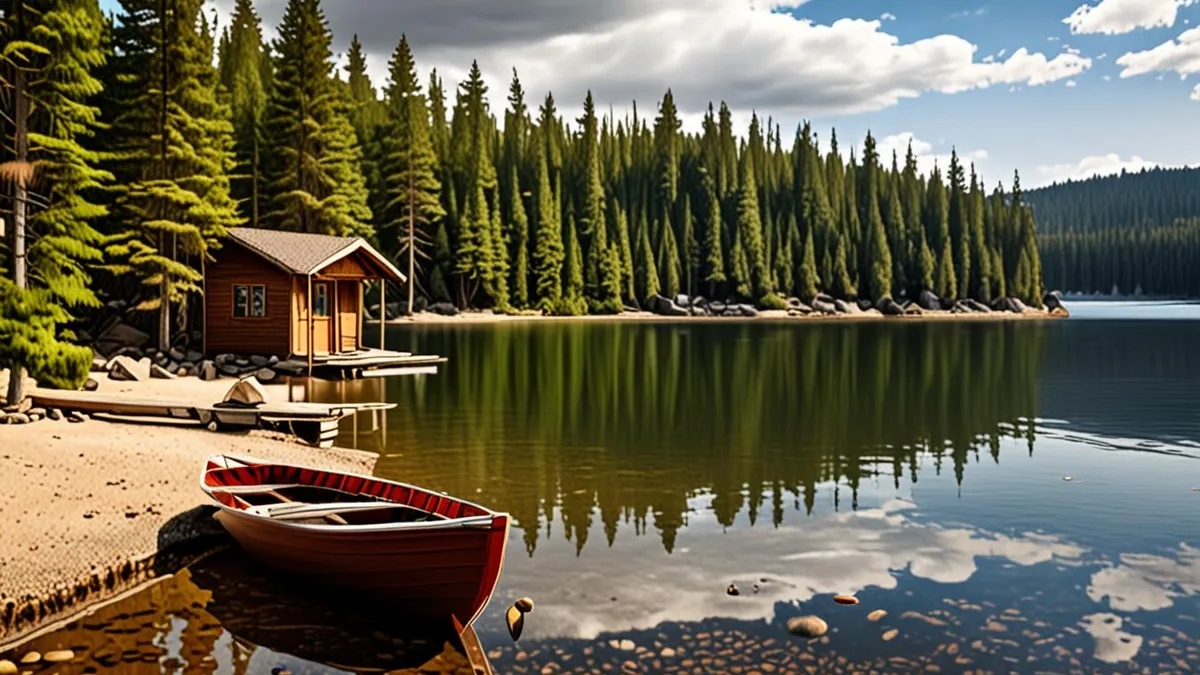
Fishing Lodge or Lakeside Cabin: Cost Comparison
Now for the part most travelers actually care about: what each option costs. Fishing lodges typically run 20-50% more per night than comparable lakeside cabins. Before you dismiss that gap, remember what’s inside the lodge rate: boat use, tackle and fish cleaning are often bundled in, so the sticker price isn’t the whole story. For an angler who would otherwise pay separately for a guided trip, the all-in rate can offset much of that premium.
A cabin’s kitchen is where the budget traveler wins. Cooking your own meals saves roughly $25-40 per day, and for a family of four staying a week, that adds up to real money. Add in the lower nightly rate, and the cabin often comes out ahead on paper. Here are a few details that sharpen the comparison:
- Count people, not nights. A lodge rate usually covers one angler’s package, while a cabin rate covers the whole house, so per-person costs shift dramatically once you add a fourth or fifth traveler.
- Price the extras separately. At a cabin, motorboat rentals and gear purchases are on top of the nightly rate, so total them before comparing against an all-in lodge quote.
- Watch the meal math for solo travelers. A single angler may find a lodge’s included meals cheaper than stocking a kitchen and cooking for one.
Timing matters at both stay types. Off-season stays from October to April cut rates 30-40% at lodges and cabins alike, so if your target fish allows it, shifting your dates can close the price gap entirely. Check current rates with each property, since these figures are typical ranges rather than fixed rules.
Timing Your Trip Around the Fishing Season
On most northern lakes, peak fishing season runs May through September. That stretch brings warm water, active fish and the widest range of lodge and cabin availability, but it also brings the highest rates and the busiest boat ramps. If your dates are flexible, it pays to aim for the edges of that window rather than the middle of it.
The shoulder-season sweet spot
Early June and late September are the two windows experienced anglers circle on the calendar. Fish are still feeding hard, the summer crowds have either not arrived yet or already gone home, and rates at both lodges and cabins tend to soften. You also get longer daylight in June and brilliant fall color in late September, which makes the non-fishing hours more enjoyable too. Check with local outfitters or bait shops about what is biting during your target week, since patterns shift from lake to lake.
Chasing ice-out
Ice-out in April and May is a different kind of trip. As the ice clears, fish move shallow to feed, and this is when trophy-sized specimens are most often caught. The trade-off is real, though: mornings can sit near freezing, weather flips quickly, and some facilities and boat rentals may not be fully open yet. Pack layers, bring rain gear and confirm ahead of time that your lodge or cabin host is operating that early in the season. For anglers who can tolerate a cold coffee on the dock at sunrise, it is one of the most rewarding times of year to be on the water.
How Far Ahead to Book Each Stay Type
Booking windows differ a lot between lodges and cabins, and getting it wrong can mean paying more or missing out entirely. The good news is that the strategy is simple once you break it into steps. Start by deciding which matters more to you: a specific week on a specific lake, or the lowest possible rate. Those two goals lead to very different booking habits, and mixing them up is the most common mistake first-time visitors make.
- Figure out your dates first. Lock down roughly when you want to travel, even if it is a range of weeks rather than exact days. Every later step depends on knowing whether you are aiming for peak summer, a shoulder month or the off-season.
- Reserve lodges 3-6 months ahead for summer dates. Prime weeks at fishing lodges sell out first, often to returning guests who rebook the same week every year. If you want a July or August stay with guided trips included, treat the booking like a flight purchase and commit early.
- Book cabins 1-2 months ahead. Lakeside cabins usually have more last-minute availability, and owners sometimes discount unfilled weeks as the date approaches. If your schedule is flexible, waiting a bit can work in your favor.
- Target midweek dates at either stay type. Nights from Monday through Thursday often cost noticeably less than weekend nights, and you will share the lake with fewer boats.
- Confirm the details before paying. Ask what is included, whether deposits are refundable and what the cancellation policy is, since these vary widely between independent hosts and larger lodges.
One last tip: if you find a good rate, book it rather than waiting for a better one. Waterside accommodations in popular regions are limited by the size of the lake, and the best-value options tend to disappear first regardless of the season. Set a reminder to check prices a few days after you book, too. If rates drop and your booking allows free changes, a quick call or email to the owner or lodge manager can sometimes get you the difference back, or at least a credit toward a future stay.
Matching the Stay to Your Travel Style
The right choice depends less on the fish and more on how you like to travel. A fishing lodge and a lakeside cabin can sit a few hundred meters apart on the same shoreline, yet they deliver completely different vacations. Think honestly about how you want your days to look before you book.
Pick a lodge if you want everything arranged for you: a guide who knows where the fish are holding, tackle and boat use handled by staff, and a dining room where you swap stories with other guests each evening. It is the easier trip, especially if you are new to fishing or visiting an unfamiliar lake. Pick a cabin if you would rather set your own pace, cook breakfast when you feel like it and spend an afternoon hiking or swimming instead of on the water.
Group size matters too. For parties of four or more, cabins often work out cheaper per person than lodge packages, since you split one rental and cook together instead of paying per-person rates that cover meals and guides.
- Solo travelers and couples: a lodge’s social dining room and organized outings can make a solo trip feel less isolated, and you avoid buying gear you may only use once a year.
- Families with kids: a cabin’s full kitchen and private bedrooms handle nap schedules and picky eaters far better than fixed meal times, and kids can play on the shore between fishing sessions.
- Mixed-interest groups: if half your crew fishes and half would rather hike, read or swim, a cabin keeps everyone happy without paying lodge rates for guests who never touch a rod.
- Serious anglers: if you are chasing a specific species and want local knowledge on the water every day, the guided trips at a lodge usually justify the higher rate.
Whichever way you lean, be upfront with the host or lodge manager about what your group actually wants. They can tell you whether their setup fits your style, and a good match at booking time is what turns a decent trip into a great one.
The Bottom Line for Your Waterside Stay
So which one wins? If your dream trip is fishing from dawn to dusk with everything arranged, a fishing lodge gives you the best value. If you want flexibility, privacy and lower costs, a lakeside cabin fits better, especially since its kitchen saves roughly $25-40 per day on meals for families or groups.
Three factors decide the choice: cost, season and booking lead time. Lodges need 3-6 months of planning for summer dates, while cabins are often bookable just 1-2 months ahead. Whichever you pick, both stay types reward off-season and midweek bookings with noticeably lower rates. If this helped you decide, leave a comment or share the article with a travel buddy.