Searching for a budget villa in Phuket can feel discouraging at first. Online listings for private-pool villas in famous beach zones often look like luxury hotel prices, and it is easy to assume the island is out of reach. The truth is more encouraging: Phuket has quiet neighborhoods where a villa with your own pool costs little more than a decent hotel room.
The difference usually comes down to location, not quality. Inland and south-coast areas offer the same style of villa for a fraction of what beachfront zones charge, and timing your booking matters just as much. This guide walks through the areas that give the best value, starting with why your choice of neighborhood decides your budget, then covering Chalong, Kathu and Phuket Town, and the relaxed south-coast pair of Rawai and Nai Harn. We will also look at when to book and how to spot a genuine deal.
Why the Area You Choose Decides Your Villa Budget
The fastest way to overpay for a villa in Phuket is to search only in the famous beach zones. Villas in beachfront areas like Patong can cost double what the same size villa costs inland. You are paying for the address, not for more bedrooms, a bigger pool, or better furniture. Step a few kilometers away from the sand and the prices change quickly.
Distance to the beach is the single biggest price driver on the island. Owners and rental agencies know that “walking distance to the beach” lets them charge a premium, so every kilometer inland typically brings the nightly rate down. A villa ten minutes’ drive from the coast often has more space, a larger garden, and a quieter street than one squeezed behind a beach road.
How much can you save inland?
Kathu, in the center of the island, offers rates 20–40% lower than beach areas, and Chalong shows similar savings. For a week-long stay, that difference can cover your scooter rental, several dinners out, or a day trip. The trade-off is simple: you drive or take a short ride to the beach instead of stepping onto it. For many budget travelers, that trade is exactly what makes a private-pool villa affordable in the first place.
Chalong: Central Base with Marina Vibes
Chalong sits on Phuket’s south-east coast, facing the bay rather than the open sea. That orientation keeps prices reasonable, but the location is more practical than it might first appear. From here you have easy drives to both west-coast beaches, so you can reach Patong, Kata, or Karon in a reasonable scooter or car ride and still come home to a quiet street at night.
This is the area where Phuket’s marina life happens. Yachts, dive boats, and charter operators are based around the bay, which gives the neighborhood a relaxed, nautical feel without the crowds of the west coast.
What a budget villa costs in Chalong
Typical budget villa rates here run 1,500–3,500 THB per night, depending on size, pool, and season. That range puts genuine private-pool villas within reach of travelers who would otherwise book hotels. In low season, the same properties often drop further, so it pays to compare dates before you commit.
Everyday life without resort pricing
Chalong has one of the island’s strongest expat communities, and the infrastructure shows it. You will find plenty of restaurants, from local Thai kitchens to international cafes, plus supermarkets, gyms, and services that make a longer stay easy. Because this is a residential and working area rather than a resort strip, prices for food and daily needs stay local. You get the convenience of a well-served neighborhood without paying resort-area markups, which is exactly what makes Chalong such a solid base for a budget villa stay.
Kathu and Phuket Town: The Cheapest Inland Options
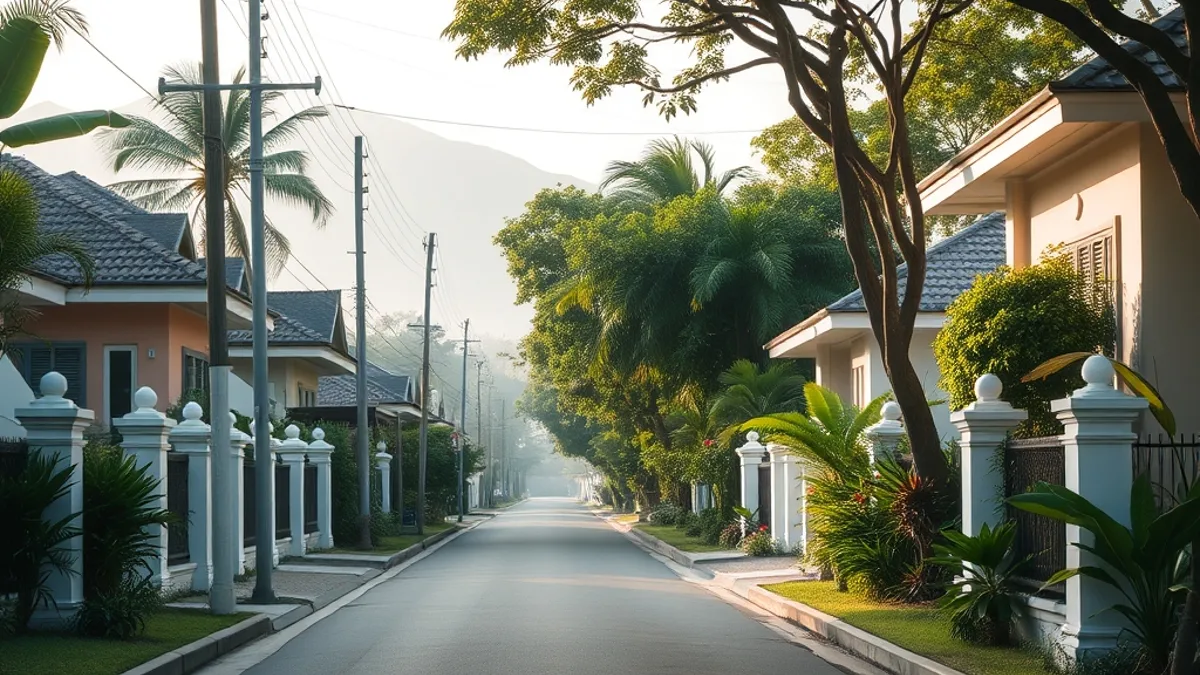
If your priority is the lowest possible price, look inland. Kathu and Phuket Town sit in the center of the island, roughly between the airport side and the southern beaches, so nothing on the island is far away. Because these areas are not beachfront, the same budget that buys a small studio near the sand can often secure a multi-bedroom villa with a private pool in Kathu.
Phuket Town adds a different kind of value: it is a real working city with markets, cafes, and local bus connections, so you can live cheaply and conveniently without a car for every errand. The old town’s shophouse streets and morning markets give it character that the beach zones simply do not have.
What you get beyond the low prices
- Everyday shopping at local prices: fresh markets and supermarkets in Phuket Town let you cook at your villa and keep food costs far below beach-zone restaurant prices.
- Local bus connections: Phuket Town acts as the island’s transport hub, with local bus services linking it to other parts of the island, useful if you want to skip scooter rental for part of your stay.
- Cafe and food scene: the old town area has a growing collection of cafes and long-standing local eateries, many serving dishes you will not find on western beach strips.
- Central positioning: being in the middle of the island means shorter drives in every direction, whether you are heading to an airport-side errand or a southern beach for the day.
The trade-off, as with any inland area, is that you are not steps from the sand. You will likely rent a scooter or car, or rely on ride-hailing, to reach the west-coast beaches for swimming and sunsets. But for travelers who plan beach days rather than living on the beach, Kathu and Phuket Town deliver the most villa for the money on the island, especially if you value space, a private pool, and a local neighborhood feel over a beach address.
Rawai and Nai Harn: Quiet South-Coast Value
Rawai and Nai Harn sit at the relaxed southern tip of Phuket, and they feel like a different island compared to the party zones up the coast. The trade-off for the quieter setting is drive time: expect roughly 40–60 minutes from Phuket Airport, so arrange a taxi or rental car in advance rather than figuring it out on arrival.
What really makes this area attractive for budget travelers is the long-stay culture. Rawai in particular has a big community of expats and digital nomads who settle in for weeks or months, and villa owners price accordingly. Monthly rentals in low season commonly fall in the 25,000–45,000 THB range, which works out far cheaper per night than any hotel.
Why Nai Harn Works for Swimmers
Nai Harn beach is one of the calmest swimming spots on the island during high season, with gentle conditions that suit families and casual swimmers. The beach sits in a bay backed by green hills, and there are simple local eateries nearby rather than wall-to-wall resort development.
Rawai itself is less about swimming and more about atmosphere: a working seafront lined with seafood stalls, plus easy access to the southern viewpoints and piers. If your priority is space, quiet and a genuine monthly rate, this corner of the island delivers better value than anywhere on the west coast.
Timing Your Booking: Seasons and Lead Times
When you book matters almost as much as where you book. The same villa can swing wildly in price depending on the month, and Phuket follows a very predictable seasonal rhythm driven by the weather. Once you understand the pattern, you can plan your stay around it and pay a fraction of what other travelers shell out for the identical pool, bedrooms and sea breeze.
- Target low season, May through October, for the biggest savings. Rain is more frequent, but rates drop 30–50% versus high season, and showers often pass quickly rather than ruining a whole day. You also get quieter beaches, easier restaurant reservations and more negotiating room with owners.
- Book 2–3 months ahead if you want a November–April stay. High season fills up fast, and the best-priced villas are usually gone long before arrival, leaving only inflated last-minute options. The same villa that looked like a bargain in June can be out of reach if you wait until the week before Christmas.
- Book 2–4 weeks ahead for low season trips. Owners are keen to fill empty weeks, so waiting a little can actually work in your favor here. Some will even accept offers below their listed rate rather than let a villa sit empty.
- Skip December–January if your goal is the lowest rate. This is the most expensive window of the year, when prices peak and even modest villas charge premium rates. If you must travel then, book early and stay flexible on your exact dates.
One extra tip: check cancellation terms before committing far in advance. A flexible booking made 2–3 months out lets you lock a good high-season price while keeping room to adjust if plans change. Read the fine print on deposits too, because policies vary a lot between individual owners and booking platforms, and a cheap rate with a strict no-refund policy is not always the deal it appears to be.
How to Spot a Genuine Budget Villa in Phuket
Not every villa labeled “budget” actually stays within budget once you tally the extras. A nightly rate that looks like a steal can balloon once utilities, cleaning fees and deposits are added, so a few careful checks before you pay will tell you whether a listing is a genuine deal or a cleverly priced trap. Spending ten minutes on these questions can easily save you thousands of baht over the course of a trip.
The biggest hidden cost is electricity. Some nightly rates exclude it, and air conditioning running all day can add 500–1,000 THB per day to your bill on certain listings. Always ask what the rate includes before booking, and get the answer in writing so there is no confusion at checkout.
- Ask for the meter rate per unit if electricity is charged separately, and compare it against a villa that includes utilities to see which is truly cheaper for your stay length.
- For stays of a month or more, look at long-stay deals in low season, when many owners offer monthly rates that include utilities which nightly listings bill separately.
- Filter for villas 1–2 km inland from the beach rather than beachfront addresses; a short scooter ride or walk usually cuts the price sharply for the same square meters.
- Read recent reviews specifically for mentions of extra charges, since cleaning fees, deposit rules and utility billing practices vary a lot between owners.
Finally, message the host directly with your questions before booking. Owners who answer clearly and quickly about costs are usually the ones who run honest, well-managed villas, while vague or evasive replies are a signal to keep searching.
Wrapping Up Your Phuket Villa Search
Phuket villas can look out of reach when you only search the famous beach zones, but the island tells a different story once you look inland and south. Areas like Chalong, Kathu, Phuket Town, Rawai and Nai Harn offer private-pool villas at prices that often sit close to a mid-range hotel room, without giving up space or comfort.
Timing helps just as much as location. Travel in low season, between May and October, and rates typically fall 30–50% compared to the high-season peak. If you are set on a November–April trip, booking 2–3 months ahead is the best way to lock in a fair price. Pick the right neighborhood at the right moment, and that dream villa suddenly fits a budget trip. Found this guide useful? Leave a comment or share it with a friend planning Phuket.