You’ve probably seen the photos: a canvas tent with a real bed, string lights, and a view that looks like a magazine cover. Then you click through to check availability and the prices are all over the place — one safari tent costs less than a motel room, another costs more than a boutique hotel. That’s the frustrating part about the glamping cost question: it’s genuinely hard to know what a fair nightly rate looks like before you book.
The truth is that glamping covers a huge range of accommodations, from simple tents with shared bathrooms to luxury domes with hot tubs and private kitchens. The price depends on the type of unit, the season, the location, and a stack of fees that don’t show up in the headline rate. This guide walks through what glamping actually costs per night, what drives prices up or down, the hidden fees that change your real total, and practical ways to pay less — including smart timing, midweek stays, and how to judge whether a price is fair before you commit.
What Glamping Actually Costs Per Night
Glamping prices fall into three broad tiers, and knowing where a listing sits makes it much easier to judge whether you’re getting a fair deal. At the bottom of the range, budget tents and simple cabins typically run $75-$150 per night. These usually come with shared bathroom facilities rather than private ones — think a clean washroom block a short walk away, similar to what you’d find at a well-run campground. You’ll still get a proper bed and weatherproof shelter, but don’t expect extras like heating in every unit or a private kitchen.
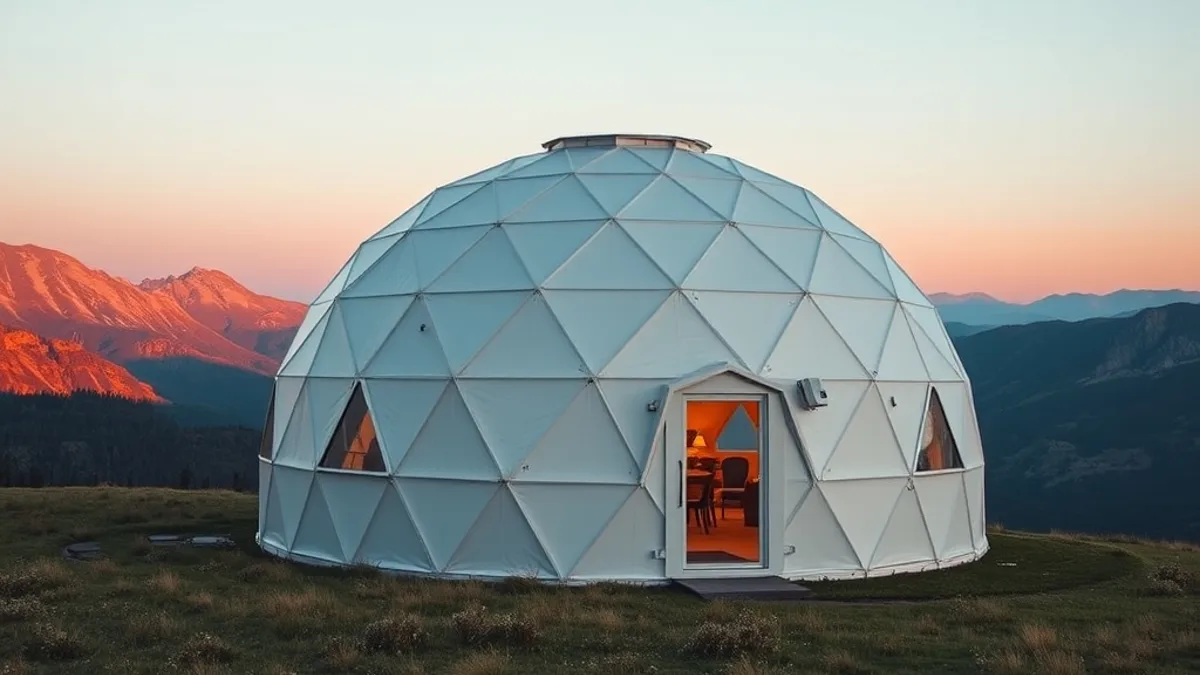
The middle tier is where most glamping listings sit. Safari tents, yurts and domes in this range cost $150-$300 per night, and this is typically where you get real beds with decent mattresses, some form of heating, and often a small deck or seating area outside. Many mid-range units sleep two to four people, which makes the per-person price more reasonable than it first appears.
Luxury glamping: what the top tier includes
At the high end, luxury glamping resorts with private bathrooms range from $300-$600+ per night. At this level you’re paying for en-suite facilities, full kitchens or kitchenettes, hot tubs, and locations that would command a premium for any accommodation — think waterfront spots or sites right next to major national parks. Some luxury resorts add resort-style services on top, such as daily housekeeping or breakfast, which is why the top of the range can climb well past $600. Before booking at any tier, check exactly which amenities are included, because the difference between a shared washroom and an en-suite bathroom is often the single biggest factor in the price.
What Drives the Price Up or Down
The same yurt can cost wildly different amounts depending on when you book it. Peak season (June-August in the Northern Hemisphere) prices run 30-50% higher than shoulder season for the exact same unit. That means a safari tent that looks like a bargain in May or September can jump into a much higher tier for a July weekend, with nothing about the tent itself changing. If your dates are flexible, simply shifting your trip by a few weeks can save you a substantial amount while keeping the same experience.
The amenities that add the biggest premiums
Not all upgrades cost the same. En-suite bathrooms, hot tubs and waterfront or national-park-adjacent locations add the biggest premiums to a nightly rate. A private bathroom can easily add a noticeable chunk to the price compared to a nearly identical unit with shared facilities, and a hot tub often pushes a listing into a higher tier entirely. Location works the same way: two similar tents can sit an hour apart, but the one closest to a famous park or lake charges noticeably more for the view and convenience.
Watch the minimum-stay rules
One thing travelers often miss is the minimum-stay requirement. Rules of 2-3 nights are common on weekends and holidays, which raises the total per trip even when the nightly rate looks reasonable. A mid-range unit with a three-night minimum becomes a much bigger commitment than the headline price suggests, so always check the stay requirements before you get attached to a listing. If you can travel midweek or outside holiday periods, minimums are often dropped or shortened, which gives you more flexibility to book shorter trips and keeps the total bill closer to what you expected.
Hidden Fees That Change the Real Glamping Cost
The nightly rate you see on a listing page is rarely what you actually pay. Cleaning or service fees can add $30-$80 per booking on top of the nightly rate, and unlike the nightly rate, these fees don’t shrink when you book a shorter stay. On a two-night trip, a $60 cleaning fee effectively adds $30 per night to your real cost — which can push a mid-range unit into luxury territory price-wise.
Beyond the mandatory fees, most glamping sites have a menu of optional extras that are easy to underestimate. None of these are scams — they’re legitimate services — but they add up quickly if you don’t plan for them. When you’re comparing two sites, look at the full picture of what you’ll actually spend, including these common add-ons:
- Pet fees: many sites charge a per-night or per-stay fee for dogs, and some restrict pets to certain unit types, so a pet-friendly listing may still cost noticeably more once the fee is applied.
- Firewood bundles: campfires are a big part of the glamping appeal, but if the site doesn’t include wood, buying bundles on-site over several nights can quietly add a meaningful amount to your bill.
- Kayak or bike rentals: waterfront and trail-adjacent sites often rent equipment by the hour or day, and a couple of rental sessions for a family can rival the cost of another night’s stay.
The simplest habit that saves money: always compare the total price at checkout, not the headline nightly rate, before choosing a site. Most booking platforms show a price breakdown before you pay, and some let you toggle a display that includes fees and taxes. Two listings that look $20 apart per night can end up $100 apart once fees are counted, so do the final math on the full total every time.
Book Early or Go Off-Season: Timing Your Stay
Timing is the single biggest lever you have on glamping prices, and it costs you nothing but planning. If you have your heart set on a popular safari tent or a dome near a national park for summer, book 3-6 months ahead. That’s when hosts still offer their standard rates, and the best units rarely sit empty as the season approaches.
Wait until early summer to book the same trip and you’ll often find the calendar either full or priced well above what it was in spring. Popular weekend slots in July and August can sell out months in advance at well-reviewed sites, so early booking is less about scoring a deal and more about avoiding the inflated leftovers.
Go when nobody else wants to
The off-season is where the real bargains live. Stays between November and March in mild climates, think the coastal South, the desert Southwest, or parts of California, can drop below $100 per night for units that command far more in summer. You trade warm swimming weather for quiet trails, empty fire pits and hosts who actually have time to chat. Pack extra layers and check what heating the unit has before you commit.
Finally, don’t assume the listed price is final. Set price alerts on booking platforms for the sites you like, and message hosts directly about last-minute discounts on unbooked weekends. Many small glamping operations would rather rent a tent at a discount than have it sit empty, especially for a stay starting within a few days.
Cheaper Ways to Glamp Without Losing the Experience
You don’t have to give up the wood stove, the string lights or the sunrise view to bring your glamping bill down. Most of the savings come from when you go, which unit you pick and who you share it with, not from skipping glamping altogether. The trick is to treat the nightly rate as a starting point rather than a fixed number, because two travelers booking nearly identical stays can end up paying very different totals. Here are the moves that consistently work.
- Shift to midweek nights. Monday through Thursday stays often cost 20-40% less than the same unit on a Friday or Saturday. A Sunday-to-Wednesday trip gets you the lower rate and a quieter site, since you’ll also avoid the weekend crowds at shared facilities like fire pits and bathhouses.
- Downgrade the bathroom, not the bed. A tent or yurt with shared bathhouses can cost far less than a dome with an en-suite bathroom, while the sleeping setup and the view are often nearly identical. Ask the host how far the washrooms are and how many units share them before you commit.
- Stay close to home. Sites within 1-2 hours of a major city face plenty of competition, which keeps rates lower than remote destination resorts where a single operator sets the price. You also save on gas and skip the long drive at the end of your trip.
- Split a family tent. Large tents and lodges that sleep four to six people cost more per night, but divided among friends the per-person price can beat most budget hotels in the same area. Bring a group and you effectively turn a premium unit into a bargain.
Stack two or three of these together and the effect multiplies. A midweek, off-season stay in a shared-facility yurt with three friends is about as cheap as comfortable outdoor sleeping gets, and you still wake up in a real bed in the middle of nature. Check the total at checkout before you book, since cleaning fees and add-ons can quietly change the math, and confirm current rates and minimum-stay rules directly with the site, as they vary by operator and season.
How to Tell If a Glamping Price Is Fair
Glamping prices vary wildly for units that look almost identical online, so a rate that seems steep might actually be fair, and a bargain might be a trap. Two safari tents an hour apart can differ by double the nightly rate for reasons that never show up in the listing photos. Before you book, work through a few simple checks to see what you’re really paying for, and give yourself an evening to do it properly rather than five minutes on your phone.
- Compare at least 3 similar units in the same area and season. Filter for the same dates and the same type, a yurt versus a yurt, not a yurt versus a luxury lodge, so you’re judging like for like. If one site sits well above the others, find out why before assuming it’s overpriced.
- Check exactly what’s included. Bedding, towels, a stocked kitchen, heating or a private bathroom all justify a higher nightly rate, because renting or packing those things separately adds cost and hassle. A bare-bones tent at the same price as a fully equipped one is the worse deal.
- Read recent reviews with value in mind. Search reviews for mentions of cleanliness, heating that actually works, and whether the photos match reality. A pattern of comments like “smaller than it looked” or “great value” tells you more than any star rating.
Do this once and you’ll develop a feel for what a fair rate looks like in your region, and that skill transfers to every trip after it. After comparing a handful of listings, you’ll quickly spot when a price reflects real quality and when it’s riding on a nice photo and a good location. You’ll also start noticing which hosts charge fairly year-round and which ones inflate rates whenever demand spikes, which makes future bookings faster and much less stressful.
The Bottom Line on Glamping Prices
So, what does glamping actually cost? The honest answer is that a night under a canvas roof can run anywhere from roughly $75 to $600 or more, depending on the type of stay, the season and the amenities that come with it. A simple tent with shared bathrooms sits at the low end, while a luxury resort unit with a private bathroom and hot tub sits at the top.
The nightly rate is only part of the picture, though. Timing matters just as much: midweek and off-season dates are usually the easiest way to save, and watching for cleaning or service fees keeps the final bill from surprising you. Compare a few similar units before you book, and you’ll quickly get a feel for what’s fair. If this helped you plan a trip, leave a comment or share the article with a fellow traveler.