Planning your first safari should feel exciting, but for most travelers it quickly turns overwhelming. You search online and hit a wall of options: tented camps, luxury lodges, budget bush camps, private conservancies, and prices that range from a few hundred dollars per night to well over a thousand. If you’re trying to choose a safari lodge and have no idea where to start, you’re not alone.
The good news is that the decision becomes much easier when you break it into a few clear steps. This guide walks you through the choices that actually matter: setting a realistic budget, picking the right park or reserve, timing your trip with the seasons, understanding what different lodge types include, matching the lodge to your travel style, and booking at the right moment for the right length of stay. Follow these in order, and you’ll go from confused to confident before you hand over a deposit.
Set Your Safari Budget First
Your budget is the single most useful filter when you start comparing lodges, because it immediately narrows a list of hundreds of options down to a manageable handful. Safari pricing is usually quoted per person per night, and that rate generally covers your room, meals and game activities. Knowing which tier you belong in before you browse saves hours of frustration.
The three main price tiers
Budget lodges, at roughly $150-350 per person per night, keep things simple. Expect smaller or more basic rooms, shared game drives with other guests, and communal dining. The wildlife experience is often just as good; you’re paying for comfort and exclusivity, not for the animals.
Mid-range lodges, around $350-700 per person per night, are where most first-timers land. You typically get private rooms with en-suite bathrooms, a pool to cool off in between drives, and noticeably better food.
Luxury lodges start around $700 and can exceed $1,500 per person per night. At this level you’re paying for private guides and vehicles, dedicated staff such as butlers, and often access to exclusive concessions with fewer other vehicles around.
Watch what the rate actually includes
Before comparing two lodges on price alone, check the fine print. Park or conservation fees, drinks, laundry and airport transfers are sometimes included and sometimes billed separately, and these extras can add a meaningful amount to your final bill. Ask the lodge or your operator for a full breakdown so you’re comparing true costs, not headline rates.
Pick the Right Location and Park
Where you go shapes your safari as much as where you sleep. Famous parks like the Masai Mara and the Serengeti deliver reliable big-game sightings, and for a first safari that predictability counts for a lot. The trade-off is price: lodges in and around these headline parks charge more, and popular areas can feel busy at peak sightings.
Smaller private conservancies bordering the famous reserves offer a different experience. Vehicle numbers at sightings are limited, so you won’t share a leopard with a dozen other cars, and many conservancies allow night drives and off-road driving, which parks generally don’t. Rates are often higher, but the exclusivity can justify them.
Distance matters more than most first-timers expect. A lodge inside the park gates lets you be at the wildlife at dawn, when animals are most active, while a lodge an hour or more from the gate eats into every morning and afternoon drive.
- Waterhole-front lodges let you watch elephants, antelope and predators come to drink between drives, turning downtime into game viewing from your deck or the pool.
- Lodges near a park’s main gate are convenient for arrival and departure days, cutting transfer time when you have a long drive or flight ahead.
- Some conservancy camps can offer walking safaris and bush meals that park-based lodges can’t, adding variety to your days.
- If you’re combining parks, check how the transfer between them works, since some connections involve long drives or small-aircraft hops that affect which lodges make sense.
Time Your Trip With the Seasons
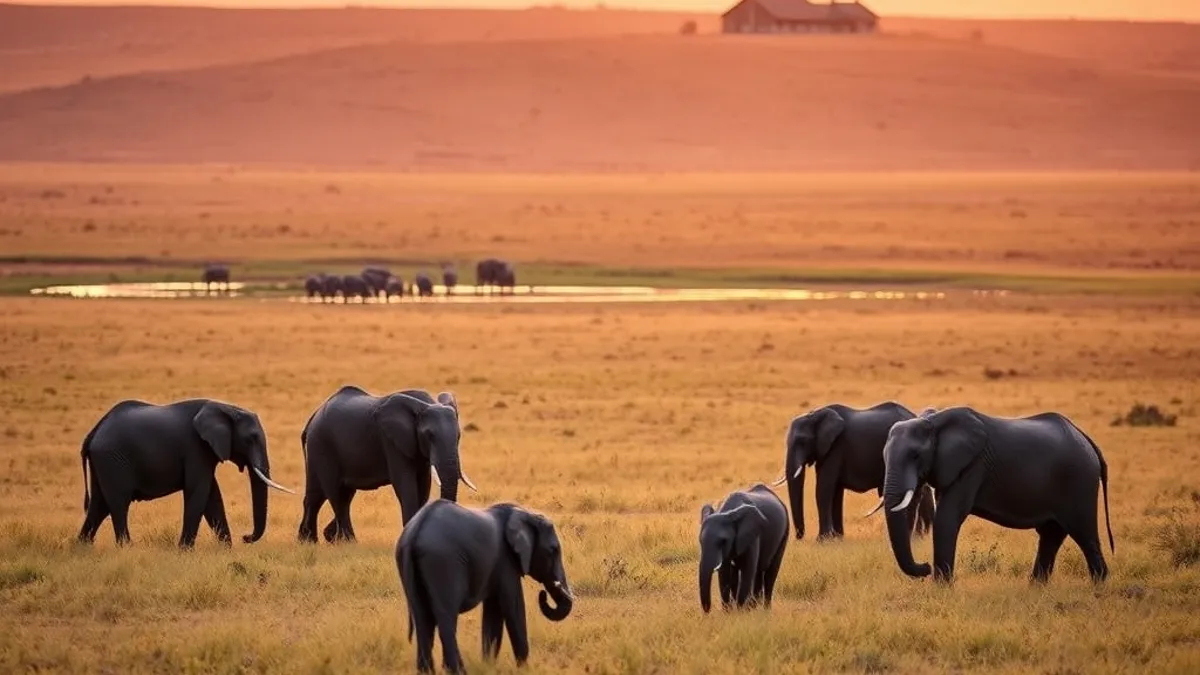
Timing has a huge effect on both what you see and what you pay, so think about the season before you fall in love with a specific lodge. In East Africa, the dry season runs from June to October. Vegetation is thin, animals gather at rivers and waterholes, and game viewing is at its best. The downside is demand: these months are peak season, with the highest rates and the fullest lodges.
The green season, from November to March, is the value traveler’s secret. Rates can be 20-40% lower, the landscape turns lush and photogenic, and there are fewer vehicles at sightings. Some animals disperse more widely when water is plentiful, so sightings can take a little more work, but many first-timers find the trade-off well worth it.
If the Great Migration is your goal
The Great Migration river crossings, one of wildlife’s great spectacles, peak around July to September in the northern Serengeti and the Masai Mara. If this is the trip of a lifetime and your budget stretches to it, aim for those months and book well ahead, since lodges in crossing areas fill up fast.
For everyone else, be honest about your priorities. If you want the easiest, most reliable viewing, choose the dry season and pay peak rates. If you want lower prices, green landscapes and a quieter bush, the green season delivers excellent value and a genuinely different safari.
Compare Lodge Types and What’s Included
One of the biggest surprises for first-timers is how much is already included in a safari lodge rate. At most lodges, two game drives per day come bundled into the nightly price, usually one in the early morning and one in the late afternoon when animals are most active. That alone can represent a big chunk of value, since a single drive booked separately elsewhere can cost a lot.
The tricky part is the difference between all-inclusive and full-board. All-inclusive rates cover meals, drinks and activities, so your bar tab and guided walks are already paid for. Full-board covers your meals but still charges for drinks and extras, and those sundowners and laundry fees add up faster than you might expect. Always ask for a sample bill before you book so you know what a typical day will actually cost on top of the room rate.
Lodge style matters too, and tented camps deserve a closer look. They range from basic canvas rooms with shared bathrooms to luxury suites with plunge pools and outdoor showers, so the word “tent” tells you very little on its own. Before you commit, compare what each option includes:
- Game drive vehicle type: some lodges use open-sided 4x4s with tiered seating for clear views, while others use closed vehicles, which matters if you plan to take photos.
- Extras billed separately: laundry, premium wines and spirits, park fees and airport transfers are the most common add-ons, so ask which of these appear on your final bill.
- Family facilities: family lodges offer units with two or more bedrooms and child-friendly programs like junior ranger activities, but some camps enforce minimum-age limits, so confirm the policy if you are traveling with kids.
- Group size per drive: smaller camps may cap vehicles at sightings, while larger lodges can fill a whole vehicle, which changes the feel of every game drive.
How to Choose a Safari Lodge That Matches Your Style
Two travelers can book lodges at the same price point and have completely different experiences, because the right lodge depends on how you want to spend your days in the bush. Start by being honest about your priorities: photography, romance, family time or simply seeing as much wildlife as possible.
For photographers and wildlife lovers
If photography is your main goal, prioritize lodges that use open vehicles and employ knowledgeable guides. Open-sided vehicles let you shoot at eye level with animals without shooting through glass, and a guide who understands lighting and animal behavior will reposition the vehicle so you get the angle rather than just the sighting. Ask how many guests ride per vehicle as well; a row of six people means someone is always shooting past a shoulder.
For honeymooners and quiet seekers
Couples often prefer small camps of around 10-15 rooms, where dinner is intimate, staff learn your names on day one and there are no tour buses in the parking lot. These camps typically feel more personal, and many can arrange private dinners or private vehicles for a supplement.
Before booking, dig into recent reviews rather than relying on overall scores. Look for comments on food quality, guide skill and how much wildlife is actually seen near the lodge, since a beautiful property in a game-poor area will disappoint. Reviews from the last few months tell you far more than a rating from three years ago, because guides, chefs and management all change.
Book at the Right Time and Stay Long Enough
Timing your booking well can save you money and, just as importantly, get you into the lodges you actually want. The best-run camps in popular parks have limited rooms, and they fill up long before casual planners start searching. A family camp with ten tents can sell out its entire peak season before you have even picked your travel dates. Work through these steps in order, and give yourself the best chance at both availability and a better rate.
- Set your dates before you search. Flexibility on exact dates gives you more options, but you need a target window so you can check availability realistically. Shifting a trip by a week or two can open up space at lodges that are otherwise full.
- Reserve 6-12 months ahead for peak-season travel. If you want a June-October stay, book early, because the top lodges in famous parks are often fully committed many months out. This matters even more for small camps with only a handful of rooms.
- Use the green season to your advantage. Traveling from November to March means you can often book 2-3 months out and still find availability, sometimes at noticeably lower rates. You trade some ease of game viewing for savings and quieter camps.
- Plan 3-4 nights per lodge. Staying put instead of hopping between properties cuts transfer costs, gives guides time to learn your interests and lets you see more game rather than more lodge lobbies.
- Ask about long-stay discounts. Some lodges offer stay-3-pay-4 style deals or green-season long-stay rates, but they rarely advertise these prominently, so it never hurts to ask directly when you enquire.
Once your dates and lodge are set, confirm the booking terms in writing, including deposit schedules and cancellation policies. Peak-season rooms are hard to replace if plans change, so consider whether you need flexible terms or travel insurance. Ask how and when the balance is due, and keep a copy of every confirmation email on your phone in case you lose connectivity in camp. A little planning here protects both your budget and your seat on the morning drive.
Your First Safari Lodge Awaits
Choosing a safari lodge feels overwhelming at first, but it comes down to a few clear decisions. Set your budget tier, choose a park that fits it, and travel in the season that suits your goals. Do those three things and the confusing wall of lodge types, price ranges and park names suddenly becomes a short list of realistic options.
From there, match the lodge style and inclusions to how you want to experience the bush, whether that means a simple tented camp or a luxury suite with a private guide. Book early for peak season and give yourself 3-4 nights at each lodge to settle in and see more game. Your first safari doesn’t need to be perfect, just well matched to you. If this guide helped, leave a comment or share it with a fellow traveler planning their first trip.